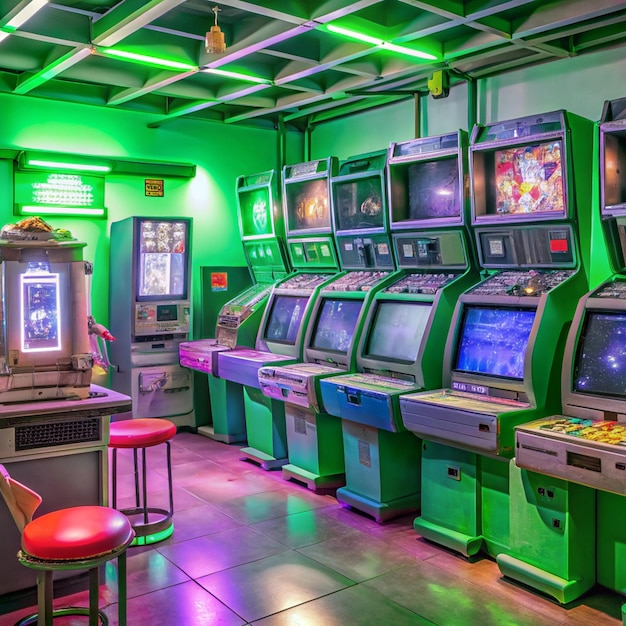
Watch Your Pinball Vision Come Alive
Imagine players experiencing the satisfying pull of the plunger, the anticipation as the ball climbs, and the joy when physics rewards their timing. Digital pinball that feels real.
BACK TO HOMEWhat This Creates For You
Your pinball game will carry the weight and momentum that makes physical tables addictive. Players will feel the difference between a gentle nudge and an aggressive shake. They'll learn your table's rhythms, discover hidden scoring opportunities, and develop the muscle memory that turns casual players into devoted fans.
You'll watch players lean into their screens, their bodies responding to virtual ball movement as if the flippers were in their hands. The audiovisual feedback we build creates that connection - the satisfying thunk of bumpers, the cascade of point values, the building tension of a multiball sequence.
This isn't about recreating one specific table. It's about giving you a pinball platform that captures what makes the format compelling, then letting your creative vision define the experience. Whether you're building a fantasy theme or simulating a mechanical era, the foundation responds authentically.
You Know What Digital Pinball Gets Wrong
You've played digital pinball games that look polished but feel hollow. The ball moves predictably. Flippers respond late. The physics engine treats every collision like a simple bounce calculation, missing the subtle energy transfers that make real pinball unpredictable.
Maybe you've tried working with developers who understand game engines but not pinball specifically. They implement basic collision detection and call it physics simulation. They add flashy visual effects without understanding how physical tables communicate state through mechanical action.
You recognize what's missing because you understand pinball at a deeper level. The way skilled players develop table knowledge. How flipper timing creates shot opportunities. Why certain table layouts produce flow while others feel choppy. These details separate games people play once from games they master.
Finding developers who share this understanding feels difficult. You need partners who appreciate why pinball endures as a format, not just programmers who can implement basic physics.
Development Built On Mechanical Understanding
Our pinball development starts with studying how physical tables behave. We examine flipper mechanics, ball trajectory patterns, and the way different table surfaces affect momentum. This mechanical foundation informs every physics parameter we implement.
We build your table's physics through iterative refinement. Initial implementations establish basic ball behavior, then we tune parameters through repeated play testing. Flipper power gets calibrated until shots feel achievable but not automatic. Ball weight affects how it responds to bumpers and ramps. Spin mechanics emerge from angular momentum calculations, not random variation.
The audiovisual layer gets designed to reinforce physical authenticity. Sound effects synchronize precisely with collisions. Visual indicators communicate ball state - you can see when a ball is traveling fast versus rolling slowly. Lighting sequences reward skilled play without obscuring table visibility.
Your creative vision shapes table design while our mechanical understanding ensures it plays authentically. We implement your theme, your scoring systems, your feature innovations - all built on physics that respects pinball fundamentals.
How We Build Your Pinball Game
We begin with detailed discussion of your table concept. You describe your vision - the theme you're exploring, the gameplay features you want to emphasize, the type of challenge you want to present. We share examples of how different mechanical elements create specific player experiences.
During early development, we establish the physics foundation and basic table layout. You'll receive playable builds that let you experience ball behavior before detailed artwork exists. This early testing reveals whether shot angles work, whether your feature placement creates the flow you envisioned.
As the table takes shape, we refine both mechanics and presentation together. You see how visual themes integrate with gameplay features. We adjust difficulty curves based on your feedback. Scoring systems get balanced to reward both casual play and expert strategies.
Throughout development, you maintain visibility into progress. Regular builds let you experience the evolving game. Technical discussions help you understand why certain implementations work better than alternatives. You're involved in decisions that affect how the final game feels.
Investment Details
This investment covers comprehensive pinball game development from concept through deployment. You receive a fully implemented digital table with authentic physics, creative design integration, and the polish that makes pinball feel satisfying.
Beyond the finished game, you gain development partnership with a studio that understands pinball mechanics. We explain our technical decisions, share knowledge about physics implementation, and ensure you understand how to maintain and extend the game after delivery.
What's Included
How We Ensure Authentic Results
Our development methodology emphasizes iterative refinement over theoretical implementation. We build physics systems, then test them extensively through actual play. Parameters get adjusted based on how the game feels, not just how calculations resolve.
Progress happens through regular build cycles. You receive playable versions at key development stages - when basic physics work, when the table layout functions, when features integrate, when polish gets applied. Each build lets you verify that development moves toward your vision.
We measure progress through player experience metrics. Can players execute the shots you intended? Does the difficulty curve match your target audience? Do scoring systems reward both lucky breaks and skillful play? These questions guide our refinement process.
Timeline expectations remain realistic. Complex table features require careful implementation. Physics tuning benefits from thorough testing. We provide clear timeframe estimates during project planning, accounting for the iterative nature of pinball development.
Your Development Confidence
We understand that commissioning custom game development involves uncertainty. You're investing in a vision that exists primarily in your imagination. Our approach reduces this uncertainty through transparent communication and regular demonstration of progress.
Initial consultation carries no commitment. We discuss your pinball concept, explore technical approaches, and determine whether our development style matches your expectations. You receive honest assessment of what's achievable within your vision and budget.
During development, you maintain clear visibility into our work. Regular builds demonstrate actual progress rather than abstract status updates. Technical discussions help you understand implementation decisions. Questions receive direct answers, not vague reassurances.
If at any review point you feel development isn't meeting your expectations, we discuss concerns directly. Adjustments get made based on specific feedback. You're never locked into accepting results that don't satisfy your vision.
Beginning Your Pinball Project
Starting your pinball development begins with conversation about your vision. We schedule a consultation where you describe the game you're imagining - the theme, the gameplay innovations, the player experience you want to create.
During this discussion, we share relevant technical information about physics implementation, table design considerations, and feature complexity. You receive honest feedback about what's achievable and what might require compromise or adjustment.
If our approach aligns with your needs, we develop a detailed project proposal. This document outlines scope, timeline estimates, deliverable specifications, and payment structure. You review this proposal without pressure, taking time to ensure it matches your expectations.
Once you decide to proceed, development begins with foundational work on physics and table layout. You receive your first playable build within weeks, letting you experience early progress rather than waiting months for completed features.
Discuss your pinball vision and technical approach
Receive detailed scope and timeline information
Experience playable builds throughout the process
Ready To Build Your Pinball Game?
Let's discuss how authentic physics and creative table design can bring your pinball vision to life. Start with a conversation about what you're imagining.
START YOUR PROJECTExplore Other Development Services
Arcade Cabinet Game Bundles
Game collections optimized for cabinet deployment with shared interfaces, operator menus, and robust operation for public installation.
Technical Documentation
Comprehensive documentation including architecture overviews, API references, deployment guides, and maintenance procedures.